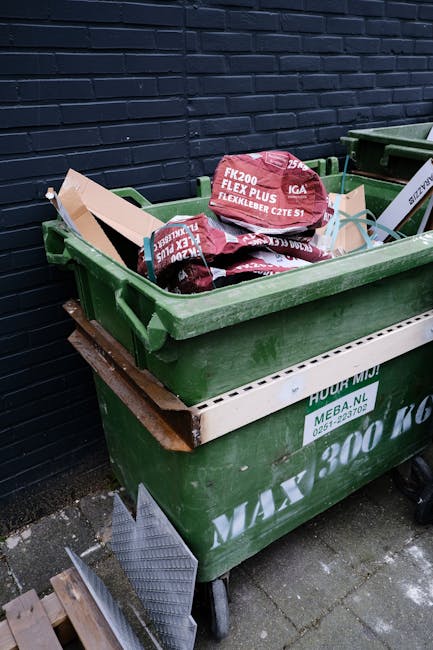
Haringey Council rules for bulky waste and rubbish removal: a practical local guide
If you are trying to clear out an old sofa, a broken fridge, a pile of renovation offcuts, or the kind of "I'll deal with it later" clutter that somehow grows overnight, the rules can feel oddly confusing. Haringey Council rules for bulky waste and rubbish removal are meant to keep things safe, legal, and manageable, but in real life people mainly want one thing: a simple way to get the stuff gone without making a costly mistake.
This guide breaks the topic down in plain English. We will look at what counts as bulky waste, how council collections typically work, what you need to watch for, where the limits usually are, and when a private clearance service may be the cleaner option. No fluff. Just the kind of advice that helps when the hallway is full, the van is not coming, and the clock is ticking.
Truth be told, waste rules are one of those things most people only think about when they have a pile of rubbish by the door. That is exactly when clear guidance matters most.
Table of Contents
- Why Haringey Council rules for bulky waste and rubbish removal matters
- How Haringey Council rules for bulky waste and rubbish removal works
- Key benefits and practical advantages
- Who this is for and when it makes sense
- Step-by-step guidance
- Expert tips for better results
- Common mistakes to avoid
- Tools, resources and recommendations
- Law, compliance, standards, or best practice
- Options, methods, or comparison table
- Case study or real-world example
- Practical checklist
- Conclusion
- Frequently asked questions
Why Haringey Council rules for bulky waste and rubbish removal Matters
Bulky waste is not just "stuff you do not want anymore". Councils treat it differently because items like wardrobes, mattresses, white goods, garden furniture, and broken appliances take up space, need special handling, and can be hazardous if dumped incorrectly. A mattress left beside a bin store looks bad quickly, sure, but the bigger issue is that unmanaged waste can block access, attract fly-tipping, and create safety problems for neighbours, residents, and collection crews.
In a busy borough like Haringey, where flats, terraces, shared entrances, and tight street access are part of everyday life, the practical side matters just as much as the rulebook. If you know the council's expectations early, you are much less likely to end up with a missed collection, an item left behind, or a surprise charge because something was put out in the wrong way.
There is also a trust angle here. People want to be certain waste is handled properly. That means not only clearing the item, but making sure it is taken by someone who can deal with it lawfully, particularly where electricals, fridges, or mixed waste are involved. If you are comparing disposal routes, it can help to understand the broader service picture too, such as general waste removal and recycling and sustainability options that support responsible disposal.
And let's face it, nobody wants to spend a Saturday morning shuffling a sofa downstairs only to discover it should have been booked differently. Small rules, big annoyance.
How Haringey Council rules for bulky waste and rubbish removal Works
The exact process can change over time, so it is always wise to check the current council guidance before booking. But in general, bulky waste collection systems across London follow a similar pattern. You identify the items, book a collection, follow the presentation rules, and make sure the waste is ready on the correct day and in the correct place.
Bulky waste usually refers to large household items that cannot fit into normal bins. That commonly includes things like sofas, armchairs, beds, wardrobes, tables, broken cabinets, and some large appliances. It may also include odd one-off items that are simply too large or awkward for routine rubbish collection. Mixed rubbish, loose bagged waste, and builder's debris are often handled differently, so do not assume everything can be bundled into one booking. That assumption causes headaches. A lot of them.
Most council-style collection systems have practical limits around quantity, item type, access, and safety. For example, there may be restrictions on:
- the number of large items per booking
- what materials can be included together
- how items must be placed for collection
- whether staff will carry items from inside the property
- extra rules for appliances, glass, or hazardous materials
If you are clearing more than a few objects, or if the job includes furniture, appliances, and general waste together, a dedicated clearance service may be more efficient. Services such as furniture clearance, fridge and appliance removal, and mattress and sofa disposal are often a better fit for mixed household loads than a standard council booking.
In practice, the collection day is only part of the job. The real work happens before that: sorting, separating, and making sure nothing prohibited is hidden in the pile. A bit of preparation saves a lot of back-and-forth later.
Key Benefits and Practical Advantages
Understanding the rules brings a few clear advantages, beyond simply "getting rid of stuff". First, it helps you avoid rejected items. Second, it reduces the chance of fly-tipping or accidental non-compliance. Third, it gives you a realistic idea of whether a council collection is enough or whether you need a more flexible service.
Here is the simple version: council collections are usually a good fit for straightforward household bulky items. Private services can be better when the job is urgent, bulky, mixed, upstairs, messy, or tied to a wider clearance. That can include homes, lofts, garages, and flats where access is awkward and time matters.
The practical upsides include:
- Faster decision-making because you know what can and cannot go
- Cleaner presentation since items are prepared in advance
- Lower risk of fines, rejected bookings, or unsafe lifting
- Better space management when you are clearing rooms gradually
- More responsible disposal through proper sorting and recycling
There is also peace of mind. That sounds soft, but it matters. Clearing a property is often tied to moving house, ending a tenancy, managing a bereavement, renovating, or finally tackling a crowded room. When the process is clear, everything feels less heavy. Literally and emotionally.
Who This Is For and When It Makes Sense
This topic matters to a surprisingly wide group of people. Homeowners clearing out unwanted furniture, tenants trying to leave a flat tidy, landlords resetting a property, families dealing with accumulated household items, and local businesses disposing of mixed waste all have different needs, but they share the same basic problem: what is the right way to remove bulky rubbish in Haringey?
You may need this guidance if you are:
- replacing old furniture and need the sofa or bed removed
- moving out and have items too large for standard bins
- clearing a loft, shed, garage, or spare room
- disposing of broken appliances or white goods
- sorting post-renovation waste that is not quite builder's rubble but still too much for normal bin service
- running a business and need discreet clearance for office or commercial waste
For larger or more varied projects, services like house clearance, home clearance, loft clearance, garage clearance, and office clearance are often more practical than trying to stitch together several small removals.
A quick real-world example: if you are a flat resident with no lift and a heavy wardrobe on the third floor, the issue is not just disposal. It is access, lifting risk, timing, and whether the item can be broken down safely. That is where the rulebook becomes a planning tool, not just a restriction.
Step-by-Step Guidance
If you want to stay on the right side of Haringey Council rules for bulky waste and rubbish removal, use this simple process.
- Identify the waste type. Separate bulky household items from normal rubbish, electricals, green waste, and builder's waste. Mixed piles are where mistakes begin.
- Check what is allowed. Look carefully at the council guidance or the service provider's item list. A sofa is not the same as a sack of plasterboard, even if both are annoying.
- Measure and count the items. This matters for access, capacity, and any collection limits.
- Decide whether items need dismantling. Breaking down a wardrobe or bed frame can make collection easier, but only if it is safe and sensible to do so.
- Remove prohibited materials. Keep out hazardous items, liquids, loose rubble, sharp waste, and anything that needs specialist handling.
- Prepare the collection point. Leave items where collection crews can reach them safely. In a narrow Haringey street or communal block, that can make a big difference.
- Choose the right route. If your load is small and simple, a council collection may be enough. If it is larger, urgent, or mixed, a private service may save time and stress.
- Confirm timing and access. Check whether someone needs to be home, whether parking is possible, and whether there are building rules to follow.
If you are dealing with a broader clear-out rather than a single item, it may be worth comparing the job against a dedicated service like furniture disposal or builders waste clearance. Those are often a better fit when the waste stream is more specific.
One small but important tip: take a photo of the items before collection. It sounds almost too simple, but it helps you remember what was booked, especially if there are several similar-looking pieces.
Expert Tips for Better Results
After enough clearances, you start to notice the little things that save time. Not glamorous, but useful.
Tip 1: Sort before you book. Separate bulky items, electricals, and general waste into different piles. A quick sort at the start stops the whole job becoming a muddle.
Tip 2: Make lifting easier. Remove drawers, cushions, detachable shelves, and loose fittings. Even five minutes with a screwdriver can turn a awkward job into a manageable one.
Tip 3: Think about surfaces and routes. If the item has to travel down a hallway, around a bend, or through a communal entrance, measure the narrowest point. You do not want to discover the problem at the front door, obviously.
Tip 4: Keep special items separate. Fridges, freezers, mattresses, and sofas often have different handling needs. Same with anything that might be classed as hazardous. If in doubt, separate it out.
Tip 5: Ask what happens next. A good waste provider should be able to explain disposal, recycling, and any restrictions in plain language. If the answer is vague, that is a useful signal.
Tip 6: Plan for access and parking. In London, parking is often the hidden challenge. A collection can be perfectly well organised on paper and still become awkward if a vehicle cannot stop safely.
For people who want a smoother process from the start, resources like pricing and quotes and book online can help you move from "I need this gone" to a practical plan without spending half the evening guessing.
And yes, sometimes the smartest move is simply to let someone else do the heavy lifting. No shame in that.
Common Mistakes to Avoid
Most problems with bulky waste are not dramatic. They are ordinary, avoidable slips.
- Mixing waste types. Putting builders' rubble, garden cuttings, and old furniture into one pile can lead to rejection or extra handling.
- Leaving prohibited materials in the load. Hazardous items need special treatment. Do not hide them under cushions or in bags. That is asking for trouble.
- Assuming access is fine. A driveway, a shared gate, or a narrow staircase can change the whole logistics picture.
- Booking too late. If you need the space cleared for moving day or a tenancy handover, leaving it to the last minute is stressful for no good reason.
- Underestimating weight. Some items look light until two people try to move them. Then everyone suddenly becomes very aware of their back.
- Forgetting recycling potential. Not everything needs to go as mixed rubbish. Some items can be separated for better recovery and lower impact.
A lot of these mistakes happen because people are in a hurry. Fair enough. But a few minutes of planning usually saves money and effort.
Tools, Resources and Recommendations
You do not need specialist equipment to deal with most household bulky waste, but a few basics make life easier:
- Measuring tape for doors, stairs, and awkward furniture
- Heavy-duty gloves for sharp edges and rough surfaces
- Camera or phone to document the items and the space
- Screwdriver or basic toolkit for dismantling furniture
- Strong bags or boxes for loose parts, screws, and fittings
For mixed clearances, it also helps to look at services that match the type of waste you have. If you are dealing with a full-property clear-out, flat clearance or home clearance may be more sensible than piecing together several one-off removals. If the job is mainly soft furnishings, then mattress and sofa disposal may be the right fit.
For customers who care about what happens after collection, it is sensible to ask about recycling routes. The best providers should be able to talk about sorting and recovery in ordinary language, not hide behind vague promises. If sustainability is important to you, recycling and sustainability is worth a look.
Law, Compliance, Standards, or Best Practice
Waste disposal in the UK is not something to treat casually. Even when the task looks small, the underlying duty is the same: waste should be handled safely, transferred appropriately, and sent to an authorised route. That is the basic best-practice standard, and it applies whether you are using a council collection or a private waste service.
In practical terms, that means you should avoid leaving rubbish where it could become fly-tipped, obstruct access, or create a hazard. It also means being careful with items that may be regulated or unsafe, such as certain electricals, refrigerants, chemicals, or contaminated materials. If a provider cannot explain how those items are handled, that is a warning sign.
For businesses, the bar is usually higher. Commercial waste should be managed with proper records, clear transfer arrangements, and a sensible understanding of responsibility. If your premises generate regular waste, the right route may be closer to business waste removal than a one-off domestic booking.
Best practice also means using insured, trained operatives, especially where stairs, confined access, or heavy objects are involved. A safe clearance is not just about getting the item out. It is about getting it out without damage, injury, or mess. That part matters more than people think.
Options, Methods, or Comparison Table
If you are deciding how to remove bulky waste in Haringey, the best option depends on the waste type, urgency, and amount. The table below gives a simple comparison.
| Method | Best for | Strengths | Watch-outs |
|---|---|---|---|
| Council bulky waste collection | Small to moderate household bulky items | Convenient for straightforward jobs; useful for residents who only have a few items | May have item limits, access rules, and longer lead times |
| Private waste removal | Urgent, mixed, awkward, or larger loads | More flexible; can often handle varied items and tighter schedules | Quality varies, so check disposal standards and insurance |
| Full property clearance | House moves, bereavement clear-outs, flat resets, hoarding-related clutter | Covers lots of different item types in one visit | Needs clear scope and good access planning |
| Specialist item removal | Fridges, mattresses, sofas, appliances, or hazardous items | Better handling of specific waste streams | May require separate booking or special treatment |
For many readers, the decision comes down to simplicity. If the job is one sofa and an old table, the council route may do. If it is a kitchen full of broken bits, a damaged freezer, and a garage that has quietly become a storage unit, a broader service is usually easier on everyone.
Case Study or Real-World Example
A typical Haringey scenario goes like this. A couple in a flat in Seven Sisters decide to clear out an old bed frame, two wardrobes, a broken desk, and a fridge that stopped working months ago. At first they assume everything can be booked as one bulky waste pickup. Then they realise the fridge needs separate handling, the furniture needs dismantling, and the hallway is narrower than they thought. Classic.
After checking their options, they split the job into sensible parts. The soft furniture goes into a furniture disposal route, the appliance is handled separately, and the remaining items are arranged as a grouped clearance. The result is less stress, fewer surprises, and no pile of unwanted wood waiting by the front door on collection day.
The big lesson is simple: the more mixed and awkward the load, the more value there is in planning the removal properly. A few extra minutes up front can save hours later. Sometimes a whole day, to be fair.
Practical Checklist
Use this before you book or set anything out for collection:
- Have I identified every item I want removed?
- Are any items electrical, hazardous, or specialist?
- Do I know whether the council will accept them together?
- Have I measured access points, stairs, and entrances?
- Do I need the items dismantled first?
- Is the collection point safe and easy to reach?
- Do I need to be present on the day?
- Have I removed loose contents, drawers, or personal items?
- Is there a parking or access issue to plan for?
- Would a broader service be easier for this job?
If you can tick most of those off, you are already ahead of the game. Most collection problems are not complicated; they are just unplanned.
Conclusion
Haringey Council rules for bulky waste and rubbish removal are really about one thing: making disposal safe, orderly, and fair for everyone involved. Once you understand what counts as bulky waste, how items need to be presented, and when a more flexible removal service is the better fit, the whole job becomes much easier to manage.
The best approach is usually the simplest one that still respects the rules. Sort first, check item types, keep hazardous waste separate, and choose the disposal route that matches the actual job rather than the one you hoped it would be. That little bit of judgement goes a long way.
If you are staring at a pile of furniture, appliances, or general clutter and wondering where to begin, start small. One room, one category, one sensible decision. That is often enough to turn a stressful job into something perfectly manageable.
Get a free quote today and see how much you can save.
There is a certain relief in seeing an empty room again, even if it is only the start of the next job. One clear space at a time, and the place begins to breathe again.
Frequently Asked Questions
What counts as bulky waste in Haringey?
Bulky waste generally means large household items that do not fit in normal bins, such as sofas, beds, wardrobes, tables, and some appliances. Exact acceptance can vary, so it is always worth checking the current guidance before booking.
Can I put mixed rubbish out with bulky waste?
Usually not in the way people expect. Council collections and private removals often treat bulky items, general rubbish, and specialist waste differently. Mixing them can lead to refusal or extra charges, so separate them first.
Do I need to dismantle furniture before collection?
Not always, but dismantling can help if access is tight or the item is large. If the piece can be safely broken down into smaller parts, that often makes removal easier and quicker.
What should I do with old fridges or freezers?
Fridges and freezers usually need specialist handling because of their components and refrigerants. They should not be treated like ordinary furniture. A dedicated appliance removal route is usually safer and more appropriate.
Can I leave bulky waste outside my property the night before?
Only if the collection instructions specifically allow it. Leaving items out too early can create obstruction, nuisance, or even an enforcement issue. Follow the stated collection timing carefully.
Is council bulky waste collection cheaper than private removal?
Often, yes for small and simple jobs. But cheaper is not always better if the items are mixed, urgent, or hard to access. In those cases, a private clearance can be better value overall because it saves time and hassle.
What happens if my items are rejected?
If items do not meet the collection rules, they may be left behind or rescheduled. That is frustrating, especially if you were relying on the space. The safest move is to check item eligibility before the booking day.
Do landlords and tenants need to follow the same waste rules?
Yes, the basic waste rules still apply. Tenants should leave the property tidy, and landlords should make sure any clearance is handled properly and safely. It is best not to guess on this one.
Can bulky waste be recycled?
In many cases, yes, at least in part. Furniture, metals, wood, and electrical components can often be sorted for recycling or recovery depending on condition and material type. Good waste handling should always consider this.
What is the safest way to remove heavy items from a flat?
Use proper lifting techniques, check access routes, and avoid rushing. If the item is awkward or the stairs are tight, bring in help rather than trying to do it alone. A small mistake on a staircase becomes a big one very quickly.
When should I use a full clearance service instead of council collection?
If the waste is varied, the space is cluttered, access is tricky, or you need the job done quickly, a full clearance service is often the more practical choice. It is especially useful for homes, flats, lofts, garages, and offices.
How do I know a waste provider is handling things properly?
Look for clear explanations, proper insurance, a sensible booking process, and straightforward answers about disposal and recycling. If the provider avoids detail or sounds vague, that is usually not a good sign.