Seven Sisters Station market clearouts rubbish collection tips
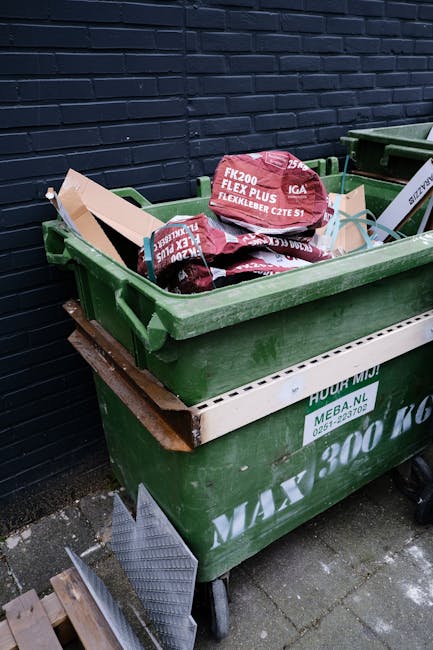
If you are dealing with a market stall, shop unit, storage corner, or shared trading space near Seven Sisters Station, you already know the awkward bit: rubbish builds up fast, space disappears even faster, and one bad clearout can turn into a messy morning. These Seven Sisters Station market clearouts rubbish collection tips are here to make the job calmer, quicker, and far less chaotic.
Truth be told, most clearouts are not difficult because of the volume alone. They become tricky because of timing, access, mixed waste, and the simple fact that nobody wants trolleys, bags, broken fixtures, and cardboard blocking a busy route in N15. The good news? With a bit of planning, the right sorting method, and a sensible collection plan, you can clear space without creating extra headaches. This guide walks through what matters, how to do it properly, and where businesses often trip up.
In practice, the best rubbish collection approach near Seven Sisters Station is rarely the fastest one at the start. It is the one that avoids re-handling waste, keeps valuable items separate, and leaves the site tidy the first time. That sounds obvious, but you would be surprised how often it gets missed. Let's fix that.
Why Seven Sisters Station market clearouts rubbish collection tips Matters
Seven Sisters is busy. That is part of the appeal, but it also means rubbish cannot be treated like an afterthought. Market clearouts in particular tend to create a mixed pile: packaging, broken shelving, old display stock, food-related waste, damaged furniture, and the odd item someone says is "probably still useful". Before you know it, there is a bottleneck.
Good rubbish collection tips matter here for a few simple reasons. First, access around station areas can be tight, especially if you are working around delivery windows, pavement footfall, and opening times. Second, waste from a market or small business often changes by the hour. A stack of cardboard at 8am can become wet, crushed, and awkward by lunchtime. Third, the cost of doing it badly is not just financial. It can mean disruption, complaints, damage, and lost trading time.
There is also the confidence factor. When a trader, landlord, or manager knows the clearout plan is under control, the whole place feels more organised. And let's face it, a tidy site usually makes the rest of the day easier. You think better. Staff move better. Customers notice, even if they do not say it out loud.
For businesses that need a broader removals service rather than a one-off clean sweep, it can help to look at business waste removal options that suit ongoing trading patterns. If the job is part of a bigger reset, the right setup can save a lot of double handling.
How Seven Sisters Station market clearouts rubbish collection tips Works
The process is usually straightforward on paper and a bit messy in real life. A sensible market clearout starts with identifying what needs to leave, what can stay, and what needs special handling. That sounds simple, but in busy units it is often the step that gets rushed.
A typical rubbish collection flow looks like this:
- Survey the waste - walk the site and identify loose rubbish, bulky items, mixed waste, cardboard, recyclables, and anything requiring special disposal.
- Separate the categories - sorting early reduces labour and helps avoid contamination of recyclable material.
- Check access - think about lift access, narrow corridors, street loading, and whether the collection team can work without blocking trading space.
- Book the right collection method - the right vehicle and crew size matter more than people expect. A small pickup is not always the cheapest option if it means two extra trips.
- Load safely and efficiently - heavy items first, fragile items protected, loose waste bagged, and sharp or awkward materials handled with care.
- Finish with a sweep-up - the last 10 minutes are often the difference between "cleared" and "sort of cleared".
For some sites, especially compact ones around Seven Sisters, bag-based removal can be more practical than a skip. The space issue is real. In those situations, a compact approach like the one discussed in small-space rubbish removal bags can make the difference between an easy collection and a logistical headache.
If the waste is more furniture-led, such as counters, chairs, shelving, or worn display pieces, it may be better to line up a dedicated furniture disposal route. That avoids mixing bulky items with general rubbish and keeps the site moving.
Key Benefits and Practical Advantages
Done properly, market clearouts are not just about "getting rid of stuff". They create breathing room. A less cluttered site is easier to clean, easier to trade from, and easier to inspect. That matters if you are preparing for a refit, handing over a unit, or simply trying to keep the back-of-house area from becoming a black hole for old stock.
The main benefits usually include:
- Faster turnaround - clear sorting and organised loading reduce wasted time.
- Less disruption - you can keep trading or reopen sooner.
- Better safety - fewer trip hazards, sharp edges, and blocked walkways.
- Cleaner presentation - customers and staff respond to a tidy space.
- Improved recycling outcomes - separating cardboard, metal, and reusable items can reduce landfill-heavy disposal.
- Lower stress - a controlled plan is calmer for everyone involved. Honestly, this alone is worth quite a lot.
There is also a practical saving to be had when collections are planned around the actual waste type, not just whatever is nearest the door. A well-handled clearout often avoids repeat visits, missed items, and those annoying last-minute "oh, we forgot the back room" moments. Been there, done that, nobody wants it again.
If your clearout includes appliances, fridges, or older electrical items, it is worth checking specialist removal options like fridge and appliance removal. Those items are easy to overlook and awkward to move once everyone is tired.
Who This Is For and When It Makes Sense
This kind of rubbish collection advice is useful for more than one audience. In our experience, the people who need it most are the ones juggling time pressure and limited space.
- Market traders clearing old stock, broken fixtures, packaging, and end-of-day waste.
- Shop owners preparing for a refit, stock change, or handover.
- Landlords and managing agents dealing with abandoned items or end-of-tenancy clearouts.
- Office teams clearing storage rooms, old furniture, and paperwork.
- Contractors who have finished a fit-out and need the site left tidy.
- Residents and mixed-use properties where trading space and living space overlap.
It also makes sense whenever the waste load is too awkward for a standard bin collection. For example, if you have a pile of display stands, mixed packaging, a damaged unit, and a few bags of broken stock, you are already outside the "just put it out the back" zone. That is where a planned collection starts making real sense.
For larger clean-outs that include surplus stock, soft furnishings, or room contents, options such as home clearance or office clearance may be more suitable, depending on the site. The point is simple: match the service to the mess, not the other way around.
Step-by-Step Guidance
If you want a clearout that runs smoothly, follow a sequence. Not a guess. Not a last-minute scramble. A sequence.
1. Start with a proper walk-through
Do a full sweep of the site before moving anything. Check storage areas, under counters, unused corners, back rooms, and outside spaces. It is remarkable how often waste hides in plain sight. Take note of the big items first, because they usually shape the whole job.
2. Split the waste into clear groups
Create separate piles for cardboard, recyclables, furniture, electronics, general rubbish, and anything hazardous or sensitive. Cardboard often looks harmless until it gets mixed with food waste or wet debris, and then the recycling value drops fast.
3. Flag anything that needs special treatment
Items like fridges, chemicals, batteries, confidential paper, or broken electricals should not just go in with standard rubbish. They may need specialist handling. If you are dealing with documents, a confidential shredding route is worth considering, and if the waste includes unusual or higher-risk items, specialist waste disposal is the safer choice.
4. Clear a route before moving heavy items
Make space for movement. Doorways, lifts, stairs, and loading points should be checked before lifting starts. It sounds basic, but nothing slows a job like carrying a bulky item halfway down a corridor only to find the exit blocked by a storage trolley. Classic.
5. Load in a sensible order
Heavy and awkward items go first, then lighter waste, then loose bags and smaller materials to fill gaps safely. This protects the load and cuts down on shifting during transport.
6. Finish with a final sweep and sign-off
Once the waste is gone, do a final check of floors, corners, skirting, shelving bases, and any area where small debris tends to gather. The last sweep always feels like a small thing, but it saves embarrassment later.
Expert Tips for Better Results
Here is the part that tends to separate a decent clearout from a smooth one.
- Bag loose waste early so it does not spread while other items are being moved.
- Keep cardboard dry if recycling matters. Wet cardboard becomes sludgy very quickly, especially in damp weather.
- Label piles clearly so staff do not keep re-sorting the same items.
- Protect floors and walls where bulky furniture or stock will pass through.
- Schedule collection away from peak footfall if the site is near a busy route or station frontage.
- Photograph the load before removal if you need a record for landlords, managers, or internal sign-off.
- Ask what happens to reusable items rather than assuming everything goes the same way.
A small but useful trick: keep one box or bag aside for "decision later" items. That might be stock you are unsure about, a cable you think belongs to something, or a shelf bracket nobody has identified yet. This saves pointless back-and-forth in the middle of the job. Human brains are weird like that; one unidentified cable can stall a room for ten minutes.
If the clearout is part of a refurbishment or building job, it can help to review builders waste clearance guidance as well. Fit-out waste has a habit of turning up in places it should not, and it is better to plan for it than chase it afterwards.
Common Mistakes to Avoid
Most rubbish collection problems are preventable. The mistakes are usually boring ones, which is a shame because they are also the most expensive.
- Mixing everything together - this slows sorting and can ruin recyclable material.
- Leaving access until the end - clear routes early, not after the waste is already stacked.
- Underestimating volume - a small clearout has a way of becoming a medium one by lunchtime.
- Forgetting bulky items - chairs, counters, and broken shelving often take up more room than expected.
- Ignoring hazardous or confidential waste - never assume it can go with general rubbish.
- Using the wrong collection method - if the vehicle, load type, or timing is wrong, the job drags on.
- Skipping the final sweep - crumbs, screws, labels, and bits of plastic are what people notice after the big items are gone.
Another common issue is trying to save money by choosing the cheapest-looking option without checking what is actually included. That can backfire. Hidden add-ons, extra labour, or failed collections are frustrating, and they usually cost more in the end. If you want to avoid that trap, it is worth reading up on avoiding hidden charges in rubbish removal quotes.
And one more, because it comes up a lot: do not leave a pile "for tomorrow" unless tomorrow is genuinely booked. Piles grow legs. Not literally, thankfully, but you know what I mean.
Tools, Resources and Recommendations
You do not need a warehouse full of kit to manage a decent clearout, but the right basics help a lot.
| Tool or resource | What it helps with | Why it matters |
|---|---|---|
| Heavy-duty sacks or bags | Loose rubbish, packaging, mixed light waste | Keeps waste contained and easier to move |
| Hand truck or sack truck | Bulky or heavy items | Reduces strain and speeds loading |
| Labels or marker pens | Sorting waste streams | Prevents rework and confusion |
| Protective gloves | General handling | Useful for sharp edges and grime |
| Floor protection | Protecting entrances and corridors | Helps avoid damage during removal |
| Clear collection plan | Scheduling and access | Stops delays and missed items |
For traders who handle a lot of cardboard, packaging, or mixed retail waste, checking sustainability options is sensible too. The page on recycling and sustainability can help you think beyond "get it out of here" and toward a cleaner disposal process that fits the business a bit better.
If you are unsure whether a skip is the right tool, it may also help to compare your waste against what can actually go in one. A quick look at what can go in a skip is useful even if you end up choosing another method. At least you are making the decision with your eyes open.
Law, Compliance, Standards, or Best Practice
For rubbish collection in the UK, compliance is not something to treat casually, even for smaller market clearouts. The exact duties depend on the waste type and who is producing it, but the general principle is straightforward: waste should be handled safely, transferred to an authorised carrier, and disposed of responsibly.
That means you should be careful with:
- Duty of care - businesses are expected to make sure waste is passed to the right people and not fly-tipped.
- Waste segregation - separating recyclable, general, and specialist waste where practical is good practice and often essential.
- Hazardous items - batteries, chemicals, and certain electrical items need extra caution.
- Confidential material - documents with sensitive information should be securely destroyed.
- Health and safety - lifting, trip hazards, sharp items, and blocked access should all be considered.
In plain English: if you are responsible for the waste, you are also responsible for not passing the problem on blindly. That is why it helps to work with a service that takes safety and process seriously. Pages such as insurance and safety and the health and safety policy give a clearer sense of the standards involved.
For sensitive paper waste, the safest route is usually a dedicated confidential shredding process. For anything that might be hazardous, the best practice is to check before moving it, not after. That one step avoids so many messy surprises. Sometimes the boring bit is the important bit.
Options, Methods, or Comparison Table
There is no single right way to clear rubbish near Seven Sisters Station. The best method depends on the waste mix, access, and how fast you need the space back.
| Method | Best for | Pros | Watch-outs |
|---|---|---|---|
| Bagged collection | Light waste, packaging, smaller clearouts | Flexible, tidy, good for tight spaces | Can become labour-heavy if volume is underestimated |
| Bulky-item removal | Furniture, counters, displays, fixtures | Efficient for awkward items, less lifting stress | Needs good access and good prep |
| Skip-based approach | Jobs with steady waste output or ongoing works | Useful for larger volumes and repeat disposal | Requires space and may not suit narrow streets |
| Mixed waste clearance | Varied contents from market stalls or back rooms | Convenient when categories overlap | Needs careful sorting to avoid contamination |
For furniture-heavy clearouts, a dedicated route such as furniture clearance or mattress and sofa disposal is often cleaner than trying to shoehorn everything into a general load. The right method usually feels less dramatic, which is exactly what you want.
And if you are dealing with a whole room, flat, or storage area rather than just market waste, broader services like flat clearance or house clearance may suit the situation better. Matching the service to the scope saves time, money, and a fair bit of stress.
Case Study or Real-World Example
Picture a small market-facing business near Seven Sisters Station at the end of a busy trading stretch. The back area has grown into a mix of old display boards, crushed cardboard, damaged packaging, a broken chair, and a few bags of general rubbish. Nothing dramatic, but enough to make moving around annoying. The staff keep stepping sideways around it. You know the type of space.
The first improvement is simple: sort the waste before collection day. Cardboard goes into one pile, reusable stock into another, and bulky items are grouped together. The broken chair is separated from the general waste because it is awkward and takes up space. The team then clears the route from the back room to the exit, so the load can move in one clean run.
On collection day, the job becomes much smoother. The waste is not being sorted while people are waiting. There is no guessing about what goes where. The floor gets a final sweep, the area opens up again, and the staff can get on with work instead of living around clutter. Not glamorous, but effective. And frankly, that is what most good clearouts feel like in real life.
If the clearout had included an old fridge or other appliance, the team would have booked that separately rather than leaving it to the last minute. If confidential paperwork had turned up, it would have been held back for secure destruction. Small choices. Big difference.
Practical Checklist
Use this checklist before a market clearout or rubbish collection near Seven Sisters Station:
- Confirm the exact waste types on site.
- Separate cardboard, recyclables, general rubbish, and bulky items.
- Isolate hazardous, electrical, or confidential material.
- Check access routes, loading points, and parking constraints.
- Protect floors, walls, and doorways if needed.
- Label piles so staff do not mix them back together.
- Book the right removal method for the volume and access.
- Arrange collection around trading hours or peak footfall.
- Keep one final sweep time at the end of the job.
- Make sure waste goes to an authorised, suitable route.
- Take photos for records if the site manager or landlord needs them.
- Double-check that nothing useful has been thrown away by mistake. It happens.
Expert summary: The most reliable way to manage a Seven Sisters Station market clearout is to sort waste early, plan access properly, and choose the removal method that fits the actual mess rather than the ideal version of it. A calm, tidy process nearly always beats a rushed one.
For businesses wanting a straightforward route to booking, the book online option can be a practical next step when the site is already mapped out and the waste list is ready.
Conclusion
Seven Sisters Station market clearouts do not need to feel overwhelming. With the right rubbish collection tips, the whole job becomes more manageable: sort early, protect access, handle bulky or sensitive items properly, and keep the final sweep in the plan. That is the heart of it. Simple on paper, but very effective when done well.
The real win is not just getting rid of waste. It is creating space that works again. Space to trade, move, clean, restock, or simply breathe without looking at a pile of old clutter every time you turn around. That matters more than people admit.
Get a free quote today and see how much you can save.
If you are still weighing up the best route, take a moment to review the scope of your waste, choose the right collection method, and work from there. A well-planned clearout always feels lighter once it is finished. And on a busy station side street, that feeling is worth a lot.
Frequently Asked Questions
What is the best way to handle a market clearout near Seven Sisters Station?
The best approach is to sort waste before collection day, separate bulky items from general rubbish, and plan access so the load can be removed without blocking the site. That keeps the job faster and tidier.
Do I need to separate cardboard from other rubbish?
Yes, if you can. Cardboard is easier to recycle when it is kept dry and uncontaminated. Mixing it with food waste, liquids, or mixed debris usually makes disposal less efficient.
Can I put furniture into a general rubbish collection?
Sometimes, but it depends on the item and the service booked. Large furniture is usually better handled through a dedicated furniture clearance route because it is bulky and can dominate the load.
What should I do with old fridges or appliances?
Keep them separate and arrange specialist removal. Appliances can contain materials that need careful handling, so it is better not to treat them like ordinary waste.
How do I avoid hidden charges on rubbish removal?
Be clear about the waste type, access conditions, and volume from the start. If a quote seems vague, ask what is included and whether there are extra fees for bulky items, stairs, or restricted access.
Is skip hire always the best option?
No. Skips are useful in some situations, but near busy or tight-access locations they may not be practical. Bagged collection or a direct removal service can be easier for compact spaces.
What if I have confidential paperwork mixed in with the waste?
Separate it immediately and use a confidential shredding process. Do not leave sensitive documents in the general waste stream where they could be exposed.
How can I make a clearout safer for staff?
Use gloves, protect walkways, avoid overloading bags, and make sure heavy lifting is planned rather than improvised. If an item looks awkward or risky, stop and assess it before moving it.
Should market clearouts be booked outside trading hours?
Often, yes. Off-peak times reduce disruption, especially around busy station areas. That said, the best slot depends on access, noise, and how the business operates.
What kind of waste is most commonly forgotten during a clearout?
Small items such as cables, brackets, screws, packaging fill, and broken stock often get left behind. They do not look like much individually, but they add clutter and can create trip hazards.
Can recycling and waste removal be planned together?
Absolutely. In fact, they should be. Separating recyclables early makes collection cleaner and can reduce the amount of mixed rubbish going out in one go.
When does a clearout become a specialist job?
It becomes specialist when the waste includes hazardous materials, confidential files, heavy appliances, damaged fixtures, or mixed contents that need more than a standard collection. At that point, careful planning is the sensible route.